I've been hesitating to talk about this on my blog but I do think that it is time. The pieces that I am required to play and the piece that I chose to many people are a piece of cake...but to me they are really hard pieces. I've been practicing Monday through Friday for about thirty minutes to an hour. The reason I don't practice for more then that time is due to a limited schedule or no place to be able to practice peacefully. Also a friend of mine told me it's bad to over practice anyways. Well... The big day in about seven hours..
My auditions are Flute Studio auditions at 12:00 pm
and Bulldog Marching Band auditions at 2:30pm
and somewhere in between those two times I believe I have to take some sort of music theory text.
Anyways I know people who can play my auditions as if they have been playing them for ages but to me it's different.
I as compared to those people have never had a private lesson before in my life which they obtain weekly. Also a lot of people thought I was foolish to be so excited to be getting in Fresno (the only school I applied for) but to me and my family it was a great accomplishment. This is my next step in living out MY DREAM! MY GOALS!
Anyways, I have this full week to practice and after that I get to put myself out there and reach for the stars! I'm working hard because I know this is my life and what is going to decide my future.
OH! And hopefully I get to be the radio for our journal on Friday at school which would give me a great opportunity to get my piece ahead! ^^
Nerves are building up! FRESNO HERE I COME~! SOOOOON!!!!(:
Sunday, February 3, 2013

Friday, February 1, 2013
Lit Anal Spring Semester #1
“Cat on the Hot Tin Roof” by Tennessee Williams
GENERAL
1. Briefly summarize the plot of the novel you read, and explain how the narrative fulfills the author's purpose (based on your well-informed interpretation of same).
GENERAL
1. Briefly summarize the plot of the novel you read, and explain how the narrative fulfills the author's purpose (based on your well-informed interpretation of same).
The play “Cat on the Hot Tin Roof” by Tennessee William shows
dysfunctional family that is forced to
hide through deceptions and hypocrisy. The story takes place in Big Daddy's
cotton plantation in Mississippi, Delta, and and also in Margaret and Brick’
bedroom. Brick and Margaret came back to celebrate Big Daddy's sixty fifth
birthday. As well as Gooper (Brick's brother), Mae and their five children. The
truth deep under the harmony cover is evil and ugly. Big Daddy has been sick
for very long time. Big Mama and Big Daddy were informed that he is sick of
spastic colon. However, they plan to tell Big Daddy that he has been diagnosed
of cancer and he will be dying soon. Everyone is fighting to get Big Daddy's
inheritance. Margaret is jealousy of Mae; because they have five children.
Since she doesn't have child, Margaret believes that they has disadvantage to
receive Big Daddy's inheritance. During the birthday party, Big Daddy tries to have
a conversation with Brick. Other family believes that Brick has an abnormal
friendship with Skipper. Brick refused to talk about Skipper, who has died. And
that is the biggest cause of Brick's alcoholism. Brick told Big Daddy the
truth; Big Daddy is devastated by the news. Margaret announces that she is
pregnant; Gooper and Mae knew that she was lying. The play ends with Margaret
says that she loves Brick and tries to make her lie true. Brick replies with
"Wouldn't it be funny if that were true?"
2. Succinctly describe the theme of the novel. Avoid
clichés.
The main themes of this play are mendacity, death and
alcoholism. Pollitt's family is full with deceptions. The children lie about
Big Daddy's cancer. Big Daddy doesn't love Big Mama, but he pretends that
he cares about her. In addition, the biggest lie Margaret told is that she is
pregnant, which is impossible. Brick never sleep with Margaret ever since they
married. Brick is a “broke man”. He is unable to get himself back after his
best friend Skipper’s death. Brick tries to find his way out of mendacity
through alcohol and death. Death and alcohol can’t resolve the problems but
creates conflicts. Problems remain unsolvable if everyone avoids facing the
conflict. Greed is another theme of the play. They all try to get Big Daddy’s
inheritance. In other words, the ugliest truth is buried by beautiful lies.
3. Describe the author's tone. Include a minimum of three excerpts that illustrate your point(s).
I think author's tone is vicious and melodramatic. In a
plantation house, the family is celebrating the sixty fifth birthday of the Big
Daddy, they are flattering Big Daddy and try to get advantage to inherit his
properties. For Gooper and Mae, they think they have the advantage which is
their kids. And Mae uses lots of vicious actions/words to remind Margaret that
they don't have kid. Their greed for inheritance elicits the ferocious and evil
part of humanity. They all lives as a cat, who scream, scratch to get out the
cage they live in. They are uncomfortable and insecure as the proverbial
"cat on a hot tin roof."Furthermore, I think not only those
characters are very dramatic and plot of the play is very dramatic as well. For
example: Big Mama and Big Daddy. Big Daddy leaves the party after he found out
he is dying of cancer. Then, after a while, he came back and accepted this
devastating news.
4. Describe a minimum of ten literary elements/techniques
you observed that strengthened your understanding of the author's purpose, the
text's theme and/or your sense of the tone. For each, please include textual
support to help illustrate the point for your readers. (Please include edition
and page numbers for easy reference.)
---Direct Characterization:
(Act 1, Pgs 29)--- “I’m sorry. I never could keep my
fingers off a sore—I wish you would lose your looks. If you did it would make
the martyrdom of Saint Maggie a little more bearable. But no such goddam luck.
I actually believe you’ve gotten better looking since you've gone on the
bottle. Yeah, a person who didn't know you would think you’d never had a tense
nerve in you body or a strained muscle.” (Brick is a good-looking man. Even
though, he is a heavy drinker; he is still in good-shape.)
---Indirect Characterization:
(Act 1, Pgs 21)--- “Well, you’ve been doin’ just about
ev’rything in your power to bring it about, you’ve been doin’ ev’rything you
can think of to aid and abet them in this scheme of theirs! Quit-tin’ work,
devoting yourself to the occupation of drinkin’!—Breakin’ out ankle last night
so the high school athletic field: doin’ what? Jumpin’ hurdles? At two or three
in the morning? Just fantastic! Got in the paper.” (Margaret reveals that Brick
is a “broken man”. Physically, he broke his ankles by jumping hurdles in school
athletic field. Brick is also alcoholic.)
---Narrative:
(Act 1, Pgs 1)--- “At the rise of the
curtain someone is taking a shower in the bathroom, the door of which is half
open. Margaret’s voice is both rapid and drawling. In her long speeches she has
the vocal trick of a priest delivering a liturgical chant, the lines are almost
sung...Water turns off and Brick calls out to her, but is still unseen...”
(This is the opening of the play, it is very imaginary. Since it is a play, the
speaker/narrator talk’s aside the stage.)
---Setting: The story mainly takes place in Brick and
Margaret’s bedroom; because Brick broke his ankle. The family in the play
similar to that of the typical 1950’s family by Big Daddy has power to control;
Margaret and Brick doesn’t divorced even though they broke up physically and
mentally. They don’t love each other but they still stay together. Whole family
can’t accept Brick's abnormal relationship with Skipper. Also, Big Mama and Mae
are kind of typical women in 1950’s. They listen and respect their husband.
---Simile:
(Act 2, Pgs 120-121) “What's that smell in this room? Didn't
you notice it Brick? Didn't you notice a powerful and obnoxious odor of
mendacity in this room? There ain't nothin' more powerful than the odor of
mendacity...You can smell it. It smells like death.” (Big Daddy starts a
conversation with Brick. He emphasizes that mendacity smells like death.)
---Hyperbole:
(Act 1, Pgs 18)—“I tell you I got so nervous at the table
tonight I thought I would throw back my head and utter a scream you could hear
across the Arkansas border an’ parts of Louisiana an’ Tennessee.”
---Juxtaposition:
(Act 1, Pgs 35)— “One man has one great good true thing in
his life. One great good thing which is true! I had friendship with Skipper.
You are namin' it dirty!” (When Margaret tries to talk about Skipper with
Brick. Brick picks up his crutch and threat Margaret to stop about it.)
---Metaphor:
(Act 1, Pgs 31)—“What is the victory of a cat on a hot tin
roof? —I wish I knew...Just staying on it, I guess, as long as she can...”
(Margaret compares herself with a cat on a hot tin roof.)
---Compare/Contrast:
Big Daddy and Brick shares lots of
characteristics. For examples: Both of them are very “cool” to their life. They
are stubborn of their belief. Also they are suffering of some degrees of
sickness. Brick broken his ankle and Big Daddy is suffering of cancer. The
differences between them are Brick has no desire for anything. He doesn't care
if he will inherit Big Daddy's inheritance. In other hand, Big Daddy has desire
for money, power and life. He wants to live longer and enjoy his life
time.
---Repetition/Restatement:
(Act 1, Pgs 32)— “Oh, excuse me, forgive me, but
laws of silence don't work! No, laws of silence don’t work... Laws of silence
don't work...When something is festering in your memory or your imagination,
laws of silence don't work, it’s just like shutting a door and locking it on a
house on fire in hope of forgetting that the house is burning. But not facing a
fire doesn’t put it out. Silence about a thing just magnifies it. It grows and
festers in silence, becomes malignant...” (Margaret tries to make Brick to face
the fact that Skipper died. Brick refused to talk about Skipper and Margaret
tells him that: ‘law of silence don’t work!’.)
CHARACTERIZATION
1 1. Describe two
examples of direct characterization and two examples of indirect
characterization. Why does the author use both approaches, and to what
end (i.e., what is your lasting impression of the character as a result)?
---Direct Characterization:
(Act 1, pgs 1) “Margaret’s voice is both rapid and drawling.
In her long speeches she has the vocal tricks of a priest delivering a
liturgical chant, the lines are almost sung, always continuing a little beyond
her breath so her has to gasp for another. Sometimes she intersperses the lines
with a little wordless singing, such a ‘Da-da-daaaa!’)
(Act 1, pgs 1) “Water turns off and Brick calls out to her
but is still unseen. A tone of politely feigned interest, masking indifference,
or worse, is characteristic of his speech with Margaret.”
---Indirect Characterization:
(Act 2, p. 86) "Life is important. There's
nothing else to hold on onto."Big Daddy gives his advice to Brick.”&"The
human animal is a beast that dies but the fact that he's dying don't give him
pity for others, no sir."
(Act 1, pg 29) “I wish you would lost your looks. If
you did it would make the martyrdom of Saint Maggie a little more bearable. But
no such goddam luck. I actually believe you’ve gotten better looking since
you've gone on the bottle. Yeah, a person who didn't know you would think you’d
never had a tense nerve in you body or a strained muscle.”
---I have complex impression toward these three characters:
Big Daddy, Brick and Margaret. I don't like all of these characters when I just
met them. As I read more about them, I developed a complex impression. For
example: Big Daddy. I don’t like his androcentrism. He pretends that he cares
about Big Mama, which he doesn’t. But, he does care about Brick, his son. The
advice he gives to Brick is very meaningful.
2. Does the author's syntax and/or diction change when s/he focuses on character? How? Example(s)?
Author doesn’t change her syntax/diction change when
she focuses on character.
(Act 1, Pgs 21)--- “Well, you’ve been doin’ just about
ev’rything in your power to bring it about, you’ve been doin’ ev’rything you
can think of to aid and abet them in this scheme of theirs! Quit-tin’ work,
devoting yourself to the occupation of drinkin’!—Breakin’ out ankle last night
so the high school athletic field: doin’ what? Jumpin’ hurdles? At two or three
in the morning? Just fantastic! Got in the paper.”
(Act 2, pg 99)— “I'd better sit by myself till I hear that
click in my head, it's just a mechanical thing but it don't happen except when
I'm alone or talking to no one.”
3. Is the protagonist static or dynamic? Flat or round? Explain.
The protagonist, Brick is a static but round character.
Brick was a handsome, athletic man. However, after his best friend died, he
totally gives up his life; and he also think his wife betrayed him. All of
these conflicts destroy him. Brick refused to face to conflict ever since then.
He become alcoholic. Brick says that “A click that I get in my head that makes
me peaceful.” The crutch in the play not only shows that Brick broke his
ankles. It also symbolizes that his broke within his heart. Furthermore, when
every family is fighting over Big Daddy's inheritance. Brick has no desire of
money, land and women.
4. After reading the book did you come away feeling like you'd met a person or read a character? Analyze one textual example that illustrates your reaction.
I felt that I want to meet Big Daddy, Brick and
Margaret. The quote: “Ha, ha!-Pleasure!-pleasure with women! Yes, boy. I’ll
tell you something that you might not guess. I still have desire for women and
this is my sixty fifth birthday!” That is biggest reason I can overturn my
stereotyping opinion on Big Daddy. I think he is disloyal to his marriage. But,
I still want to meet him and ask why he can still live with Big Mama even
though he doesn't love her at all. And I really want to meet Brick and
Margaret. I do believe that Margaret loves Brick. And for Brick's attitude toward
Margaret is still ambiguous at the end of the play. When Margaret asks Brick to
make her lie true. He says: “Wouldn't it be funny if that were true?” It also
makes me think, is there a true that we can believe?
Tuesday, January 29, 2013
Dickens Map
1) My
reading schedule: As I please on my free time basically but also keeping the
deadline in my mind. Also I ride the bus every day to
school and back home which gives me about 30 to 45 minutes daily to read a part
of my book. At home I try to balance that with my smart goal practice hours.
2)1.
In The Writing of Fiction (1925), novelist Edith Wharton states the following:
At every stage in the progress of his tale the novelist must rely on what may be called the illuminating incident to reveal and emphasize the inner meaning of each situation. Illuminating incidents are the magic casements of fiction, its vistas on infinity.
Choose a novel or play that you have studied and write a well-organized essay in which you describe an "illuminating" episode or moment and explain how it functions as a "casement," a window that opens onto the meaning of the work as a whole. Avoid mere plot summary.
2.The
opening lines of A Tale of Two Cities are some of the most
famous in British literature. They introduce the contradictions in the world of
the novel, between positive and negative forces: “light and darkness, wisdom
and foolishness, hope and despair,” and so on. In an essay analyze whether
positive or negative forces triumph at the end of the novel. Make sure
you consider the fates of all the major characters in your analysis.
3)In
great literature, no scene of violence exists for its own sake. Choose scene
in A Tale of Two Cities that confronts the reader or audience
with a scene or scenes of violence. In a well-organized essay, explain how the
scene or scenes contribute to the meaning of the complete work. Avoid plot
summary.
4) The
French Revolution was of great interest to Americans in the early days of their
own republic. Given today's polarities of extreme wealth and poverty and
strongly expressed patriotism, as well as the interest in early America, what
parallels might we draw between our own time and what happens in A Tale
of Two Cities? What lessons?
5)
Dickens seems to have great sympathy for the poor, the sick and the powerless,
but not all such characters are portrayed sympathetically. What does that say
about his sympathies? Where does he intend our sympathies as readers to lie?
Testing: I think that I would personally like to work on essay question responses. I know most questions on the AP test are very broad and in order to be successful on the test I think to know how to narrow id down.
Sunday, January 27, 2013
Lit Terms: 31-56
31. DICHOTOMY: Split or break between two opposing things.

32. DICTION: The choice of words use of words and phrases in speech or writing.

33. DIDACTIC: Intended to teach

34. Dogmatic: Rigid in beliefs and principles.

35. ELEGY: A poem or song of serious reflection, typically a mourning for the dead.

36. EPIC: Long narrative poem of a hero and his epic journey through history exploits.

37. EPIGRAM: Witty aphorism

38. EPITAPH: A phrase or statement written in memory of a person, esp. on a tombstone.

39. EPITHET: An adjective or descriptive phrase expressing a quality regarded as characteristic of the person or thing mentioned

40.EUPHEMISM: A mild or indirect word or expression for one too harsh or blunt when referring to something unpleasant or embarrassing.

41. EVOCATIVE: Bringing strong images, memories, or feelings to mind.
 makes you think of what used to be,
42. EXPOSITION: A comprehensive description and explanation of an idea or theory.
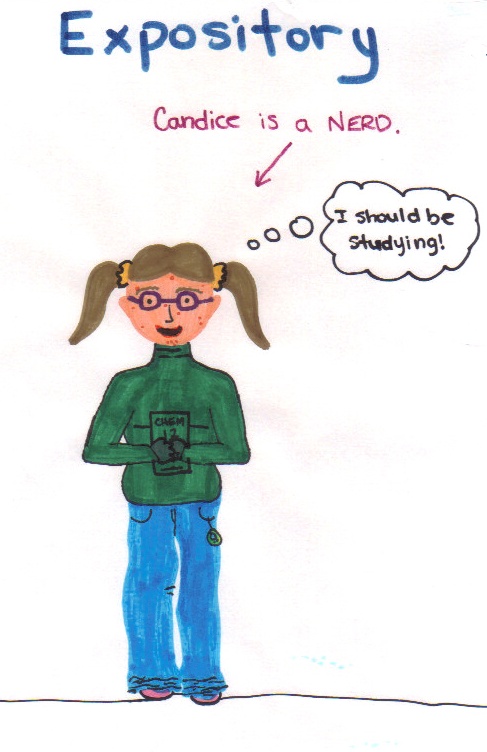
43. EXPRESSIONISM: A style of painting, music, or drama in which the artist or writer seeks to express emotional experience rather than impressions

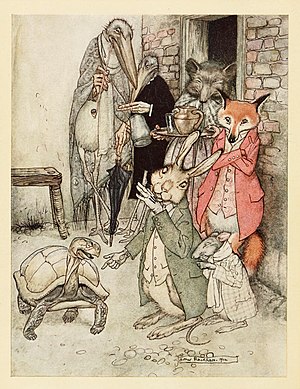
44. FABLE:





32. DICTION: The choice of words use of words and phrases in speech or writing.
33. DIDACTIC: Intended to teach
34. Dogmatic: Rigid in beliefs and principles.
35. ELEGY: A poem or song of serious reflection, typically a mourning for the dead.
36. EPIC: Long narrative poem of a hero and his epic journey through history exploits.
37. EPIGRAM: Witty aphorism
38. EPITAPH: A phrase or statement written in memory of a person, esp. on a tombstone.
39. EPITHET: An adjective or descriptive phrase expressing a quality regarded as characteristic of the person or thing mentioned
40.EUPHEMISM: A mild or indirect word or expression for one too harsh or blunt when referring to something unpleasant or embarrassing.
41. EVOCATIVE: Bringing strong images, memories, or feelings to mind.
makes you think of what used to be,42. EXPOSITION: A comprehensive description and explanation of an idea or theory.
43. EXPRESSIONISM: A style of painting, music, or drama in which the artist or writer seeks to express emotional experience rather than impressions
44. FABLE:
| |
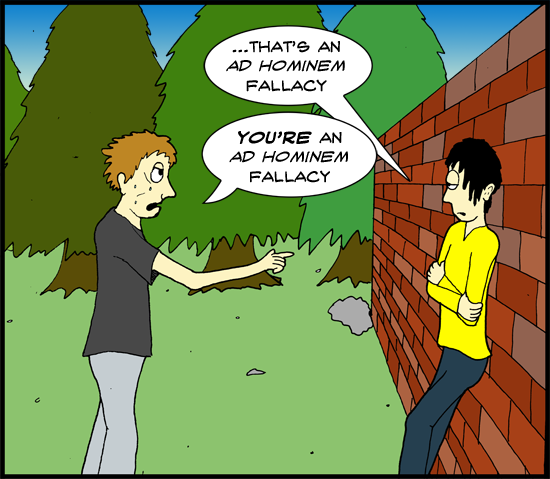
45. FALLACY: A mistaken belief, esp. one based on unsound argument.
46. FARCE: A comic dramatic work using buffoonery and horseplay and typically including crude characterization and ludicrously improbable situations.
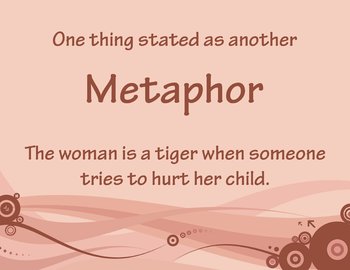
47. FIGURATIVE LANGUAGE: apt and imaginative language characterized by figures of speech. (such as metaphor and simile)
48. FLASHBACK: A sudden and disturbing vivid memory of an event in the past, typically as the result of psychological trauma or taking LSD.
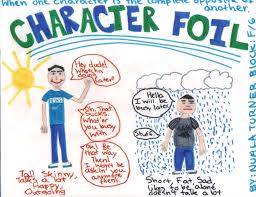
49. FOIL: A person or thing, that by contrast makes another seem better or more prominent
50. FOLK TALE: Story passed on by word of mouth.
51. FORESHADOWING: A DEICE TO PREPARE THE READER FOR THE OUTCOME OF AN ACTION.
52. FREE VERSE: Poetry that does not rhyme or have a regular meter.
53. GENRE: A category or class of artistic endeavor having a particular form, technique, or content.
54. GOTHIC TALE: A style in literature characterized by gloomy settings, violent or grotesque action, and a mood of decay, degeneration, and decadence.
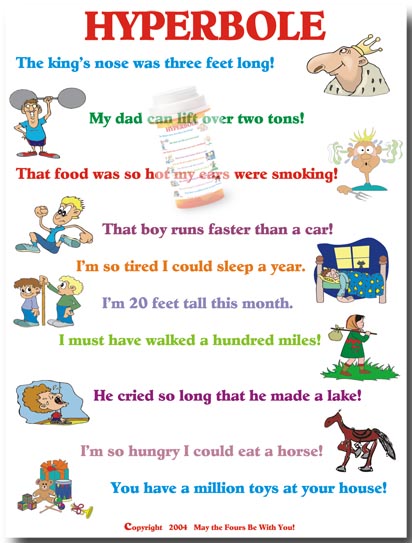
55. HYPERBOLE: An exaggerated statement often used as a figure of speech or to prove a point.
56. IMAGERY: Figures of speech or vivid description, conveying images through any of the senses.
Monday, January 21, 2013
AP Lit Terms 6-30
6.ANALYSIS: Detailed examination of the elements or structure of something, typically as a basis for discussion or interpretation.

7.ANAPHORA: The repetition of a word or phrase at the beginning of successive clauses.

8.ANECDOTE: A short and amusing or interesting story about a real incident or person.

9.ANTAGONIST:A person who actively opposes or is hostile to someone or something; an adversary

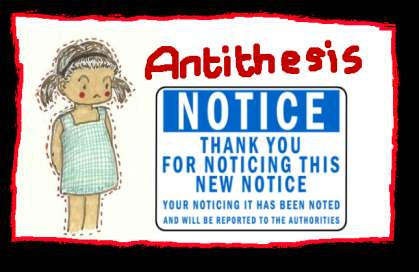
10.ANTITHESIS: contrary ideas expressed in a balanced sentence. It is the juxtaposition of two words, phrases, clauses, or sentences contrasted or opposed in meaning in such a way as to give emphasis to their contrasting ideas and give the effect of balance. This is a device often used in rhetoric.
11.APHORISM: A pithy observation that contains a general truth.

12.APOLOGIA:






7.ANAPHORA: The repetition of a word or phrase at the beginning of successive clauses.
8.ANECDOTE: A short and amusing or interesting story about a real incident or person.
9.ANTAGONIST:A person who actively opposes or is hostile to someone or something; an adversary
10.ANTITHESIS: contrary ideas expressed in a balanced sentence. It is the juxtaposition of two words, phrases, clauses, or sentences contrasted or opposed in meaning in such a way as to give emphasis to their contrasting ideas and give the effect of balance. This is a device often used in rhetoric.
11.APHORISM: A pithy observation that contains a general truth.
12.APOLOGIA:
|
13.APOSTROPHE: An exclamatory passage in a speech or poem addressed to a person (typically one who is dead or absent)
14.ARGUMENT(ATION):
|
15.ASSUMPTION: A thing that is accepted as true or as certain to happen, without proof: "they made certain assumptions about the market".


16.AUDIENCE: The assembled spectators or listeners at a public event, such as a play, movie, concert, etc.
17.CHARACTERIZATION: The means by which an author reveals their character
18.CHIASMUS:
A verbal pattern in which the second half of an expression is balanced against the first but with the parts reversed.  19.CIRCUMLOCUTION:
The use of many words where fewer would do, esp. in a deliberate attempt to be vague or evasive. 
- 20.CLASSICISM: The following of ancient Greek or Roman principles and style in art and literature

- 21.CLICHE: a phrase or situation overused within society.

- 22.CLIMAX:
The most intense, exciting, or important point of something; a culmination or apex. 
23. COLLOQUIALISM: Slang words or informal way of speech
24.COMEDY:
|
25.CONFLICT: Struggle or problem in a story causing tension
26.CONNOTATIONAn idea or feeling that a word invokes for a person in addition to its literal or primary meaning
27.CONTRAST: where one item is thrown at another to prove clarity
28.DENOTATION: Plain dictionary definition
29. DENOUEMENT:The final part of a play, movie, or narrative in which the strands of the plot are drawn together and matters are resolved.
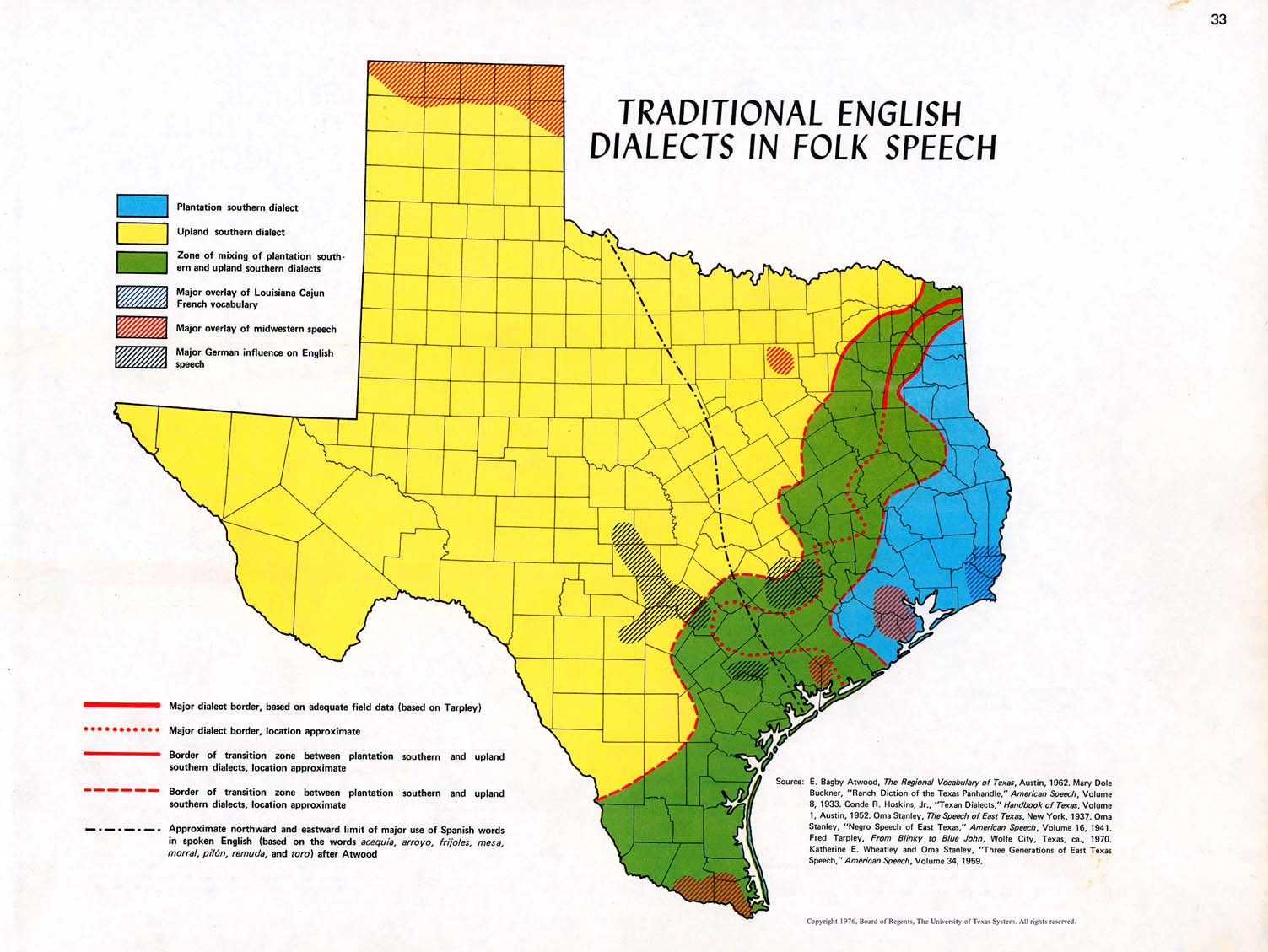
30. DIALECT:language or certain people distinguishing them from others.
Subscribe to:
Posts (Atom)